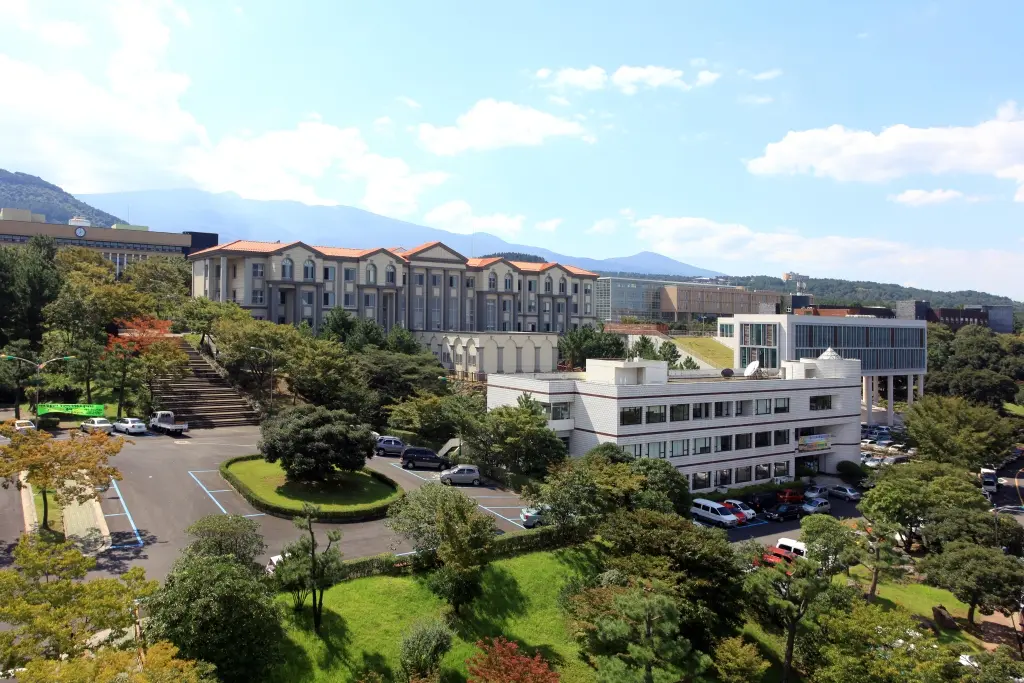
What a Jeju student team learned taking a small island brand overseas
HONDIT is a student-run team at Jeju National University that introduces StoneJeju's volcanic-stone diffusers to overseas customers. Here is what that work involves, from checking product facts to market rules, and what the product itself is.
Small makers on Jeju Island rarely have an export department. HONDIT is a student-run team from Jeju National University's GTEP programme that tries to fill part of that gap for one local maker, StoneJeju. The work is a practical lesson in what it takes to put a small product in front of customers in another country.
What the team actually does
HONDIT does not make the product. StoneJeju is the maker and the product brand. The students handle the overseas side: writing product information in several languages, checking each fact against the maker's own pages, setting out order terms per market, and answering sales enquiries.
Lesson one: every fact needs a source
Before anything goes on a product page or into an article, the team checks it against StoneJeju's product detail pages. Size, content weight, vessel material and what is in the box are written exactly as the maker states them. Anything that cannot be traced to a source stays out, including claims about scent strength or how long a fragrance lasts.
Lesson two: every market has its own rules
Delivery, minimum quantities and payment differ from market to market, so the team keeps the terms on the product pages as the single reference and writes articles to match them.
The product the team represents
StoneJeju's volcanic-stone diffuser holds small pieces of porous Jeju scoria in a vessel. The 350g size measures about 75 x 100 x 75 mm in a glass vessel; the 500g size measures about 100 x 105 x 100 mm in Jeju onggi earthenware. Each set includes 10mL of citrus fragrance oil. You add 10-12 drops to the upper stones, then a few drops whenever you want the scent back. It needs no electricity and no open flame. To change fragrance, rinse the stone in warm water and let it dry completely. Natural stone varies in size and colour and may shed fine powder; avoid prolonged contact with sensitive skin and follow the oil's label.
Ordering from Singapore
Orders from Singapore can be paid directly at 5, 10, or 20 or more units of one size, and international delivery to Singapore is included in the price shown on the product page. Pay on the 350g diffuser page or the 500g diffuser page.
Other quantities, an order that mixes the two sizes, or a quantity above the stock shown is handled as a separate quote: send an enquiry with the sizes and quantities you need. Any import duties or taxes are paid by the recipient.
The materials, up close
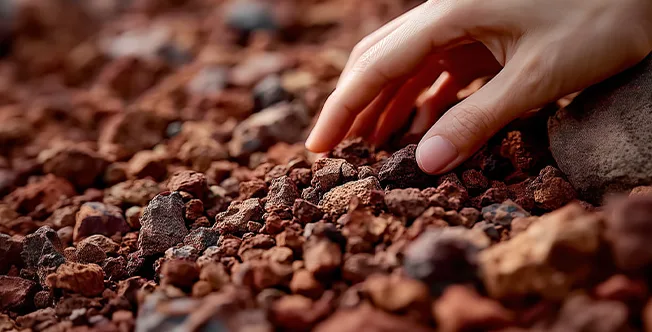
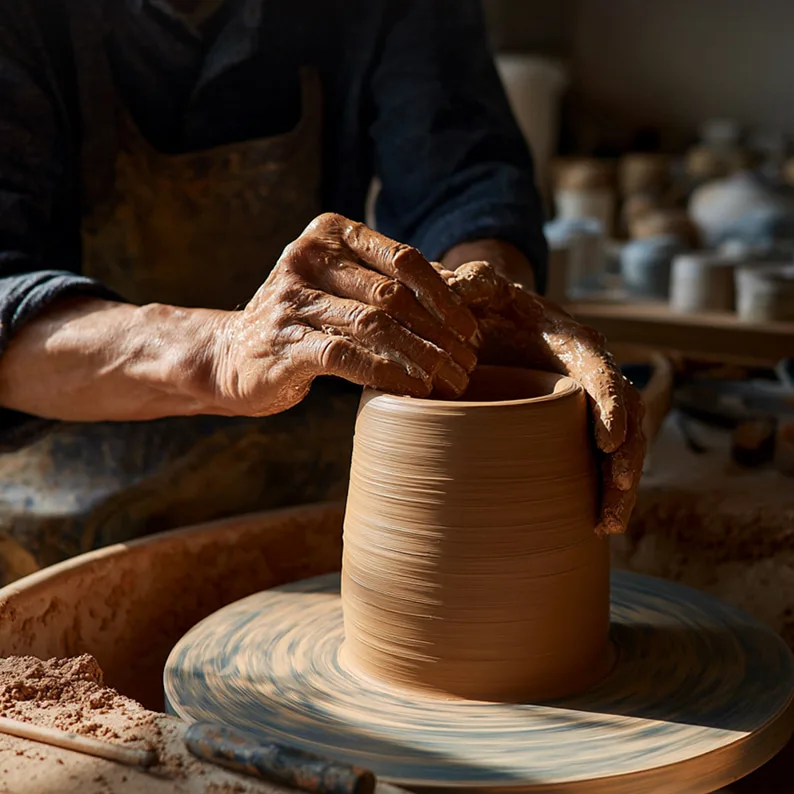
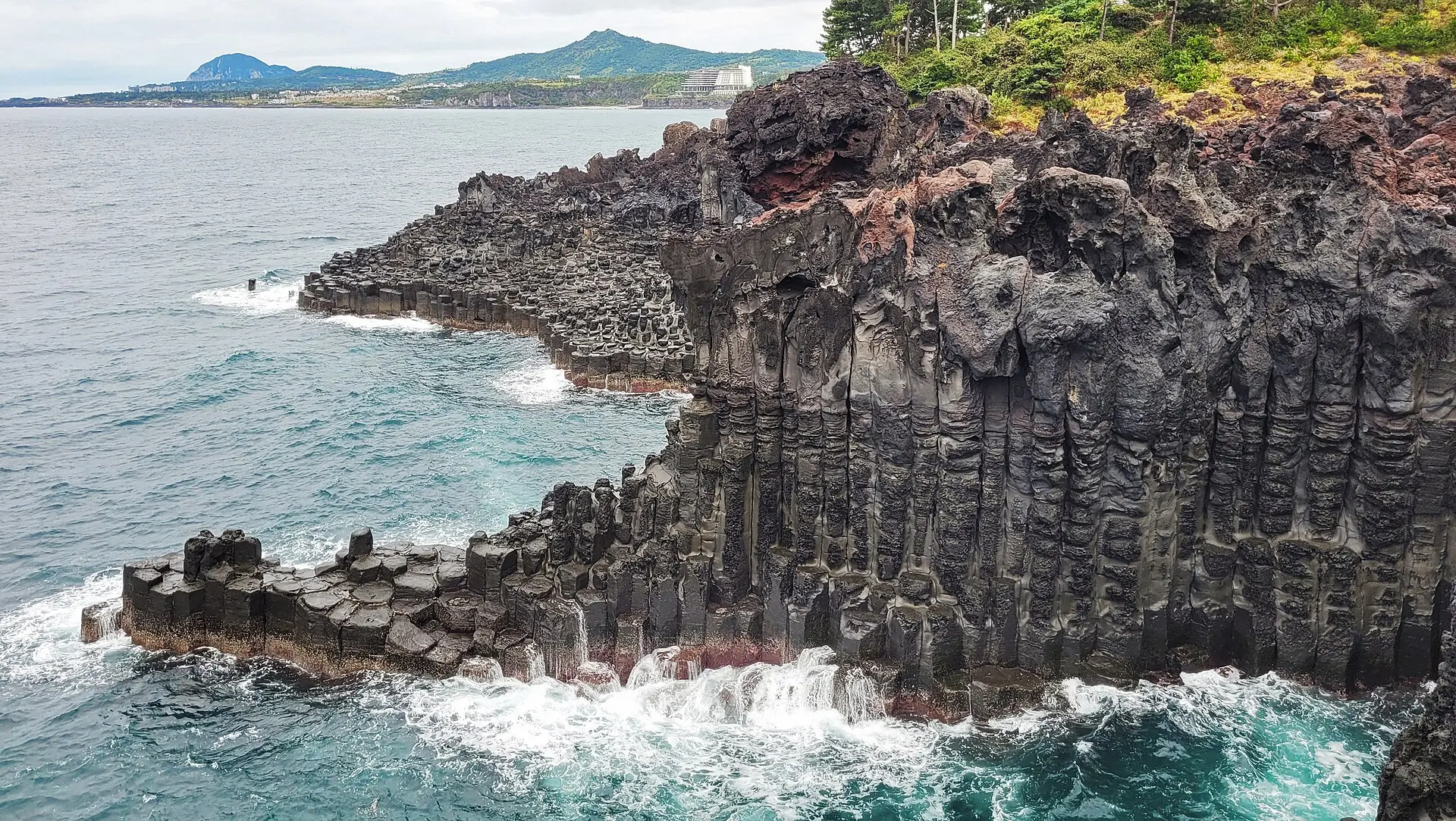
Photos: StoneJeju, used with permission. Jusangjeolli: Bernard Gagnon, CC0, via Wikimedia Commons.